Header

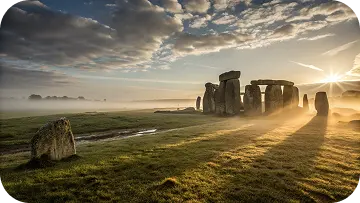
 Wiltshire, England
Location: Wiltshire, England
Stonehenge is one of the most iconic prehistoric monuments
in
the world, dating back over
4,000 years. Its massive stone circle, carefully aligned with the summer solstice sunrise,
continues to fascinate
historians, archaeologists, and visitors alike. The surrounding Salisbury Plain adds a sense
of vastness and mystery to
the ancient site, making every visit feel like stepping into another era.
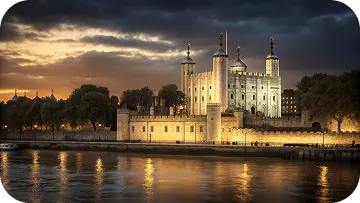 London, England
The Tower of London is a historic fortress, royal palace, and prison with over a thousand years of history. Situated on the north bank of the River Thames, it has witnessed coronations, imprisonments, and legendary events that shaped British history. Its iconic White Tower and medieval walls evoke a sense of power, intrigue, and cultural heritage.
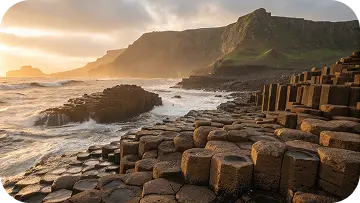 County Antrim, Northern Ireland
The Giant’s Causeway is a UNESCO World Heritage Site famous for its unique geological formations of interlocking basalt columns. Formed by volcanic activity millions of years ago, these hexagonal stones stretch from the cliffs into the sea, creating a natural wonder unlike anywhere else. Legends say the giant Finn McCool built the causeway, adding a magical dimension to its striking landscape.
 Paris, France
The Eiffel Tower is the emblem of Paris and one of the most recognized landmarks in the world. Rising gracefully above the Seine River, this iron lattice tower offers breathtaking panoramic views of the city. Whether admired from below, explored via its observation decks, or illuminated at night, it remains a symbol of French elegance, innovation, and romantic charm.
Normandy, France
Mont Saint-Michel is a medieval abbey perched atop a rocky island, surrounded by tidal waters and sandbanks. Its Gothic spires and ancient stone walls rise dramatically above the sea, creating a mystical and unforgettable silhouette. Visitors can explore the narrow streets, climb to the abbey, and enjoy the ever-changing vistas as tides flow around this historic island.
Versailles, Île-de-France, France
The Palace of Versailles is the epitome of French grandeur and opulence. Once the royal residence of Louis XIV, it features elaborate gardens, ornate halls, and majestic fountains. Walking through the Hall of Mirrors, exploring the expansive parklands, or admiring the intricate architecture gives visitors a deep appreciation of France’s cultural and artistic heritage.
 Bavaria, Germany
Neuschwanstein Castle is a fairytale fortress perched on a rugged hill in the Bavarian Alps. Built by King Ludwig II, its turrets, spires, and intricate stonework create a dreamlike silhouette that has inspired countless stories and artworks. Surrounded by lush forests and overlooking serene lakes, the castle is a masterpiece of romantic architecture and imagination.
 Berlin, Germany
The Brandenburg Gate is Berlin’s historic symbol of unity and resilience. This neoclassical monument, with its iconic columns and quadriga sculpture, stands at the heart of the city. Illuminated at night or viewed amidst bustling urban life, it represents both Germany’s past and modern vibrancy, welcoming travelers from around the world.
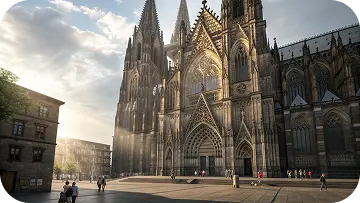 Cologne, North Rhine-Westphalia, Germany
Cologne Cathedral is a stunning example of Gothic architecture, towering over the city with its twin spires and intricate stone carvings. Inside, the stained glass windows create a kaleidoscope of color, while the sheer scale of the cathedral leaves visitors awestruck. As one of Europe’s most visited landmarks, it blends spiritual significance with architectural grandeur.